Pizza Sauce
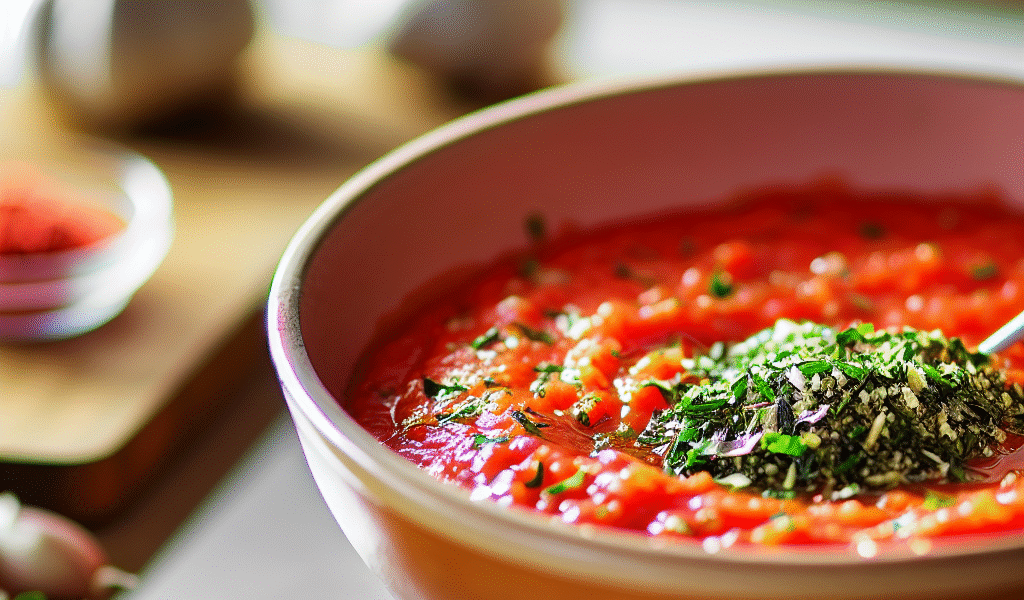
There’s something magical about a good pizza sauce—the tangy, herby base that sets the tone for every bite of your favorite slice. Making your own sauce at home not only boosts the flavor but also gives you the chance to tailor it exactly to your liking. Let’s dive into crafting that perfect tomato sauce, bursting with fresh herbs and just the right amount of garlic. Don’t worry if it’s rustic and a little chunky—that’s the charm!
Tags / Categories
- Flavor Profile: Tangy, Herbaceous, Savory
- Main Ingredients: Tomatoes, Garlic, Olive Oil, Herbs
- Region: Italian / Mediterranean
- Usage: Pizza Base, Pasta Sauce, Dipping Sauce
- Prep Time: 10 minutes
- Cook Time: 15 minutes
- Total Time: 25 minutes
- Difficulty: Easy
- Yield: About 2 cups (enough for 3-4 medium pizzas)
Ingredients List
- 1 can (28 oz) whole peeled tomatoes, preferably San Marzano
- 3 tablespoons extra virgin olive oil
- 3 cloves garlic, minced
- 1 teaspoon salt
- 1 teaspoon sugar (optional, balances acidity)
- 1 teaspoon dried oregano
- 1 teaspoon dried basil (or 1 tablespoon fresh, finely chopped)
- 1/2 teaspoon crushed red pepper flakes (optional, for a little heat)
- Freshly ground black pepper, to taste
Making the Sauce: From Basics to Perfect
Start by warming the olive oil over medium heat in a saucepan. When it’s shimmering but not smoking, toss in the minced garlic and stir gently. Your kitchen is going to smell incredible, so take a moment to enjoy that garlicky aroma before it browns—burnt garlic can turn bitter fast. Once fragrant (about 1-2 minutes), pour in the canned tomatoes. I like to crush them slightly with a spoon for texture—don’t stress if it’s a bit chunky, it adds charm.
Next, stir in the salt, sugar, oregano, basil, and a pinch of crushed red pepper flakes if you want a subtle kick. Let the sauce simmer gently for 15 minutes, stirring occasionally to help it thicken and let the flavors marry. Taste and adjust the seasoning; sometimes, a touch more salt or a sprinkle of fresh herbs makes all the difference.
One little tip? If you prefer a smoother sauce, feel free to blitz it quickly with an immersion blender—but the rustic, homemade look is pretty hard to beat.
Using, Storing & Playing with Your Pizza Sauce
Once your sauce is ready, slather it on your favorite pizza dough—homemade or store-bought—and add your favorite toppings. This sauce is versatile enough to double as a pasta sauce or even a dipping sauce for garlic bread.
If you want to keep this sauce on hand, it stores beautifully. Let it cool completely, then transfer it to an airtight container. In the fridge, it’ll stay good for up to 5 days—just reheat gently on the stove. For longer storage, freeze it in portions with a little space for expansion, and it’ll keep for up to 3 months. Thawed sauce might be a tad thinner, just give it a quick simmer before using.
Don’t be afraid to switch things up! Swap oregano for thyme or add a splash of red wine for richness. Need it vegan or gluten-free? Good news—this sauce already fits the bill.
Serving Suggestions
- Spread over classic Margherita pizza topped with mozzarella and fresh basil
- Use as a base for a rustic vegetable pizza loaded with peppers, onions, and olives
- Mix into pasta for a simple tomato pasta dish
- Serve as a dipping sauce for mozzarella sticks or breadsticks
Origin & History
Pizza sauce has its roots in Italy, where tomatoes became a kitchen staple after the plant was introduced from the Americas in the 16th century. Early Neapolitan pizzas used simple crushed tomatoes, olive oil, and herbs—the essence of which remains today. The sauce’s evolution reflects Italy’s love for straightforward, fresh ingredients, designed to complement a wood-fired crust and fresh toppings without overpowering them.
Variations & Substitutions
Feel like mixing things up? Here are some ideas:
- Roasted Garlic: Swap raw garlic for roasted cloves to add a mellow, sweet depth.
- Fresh Herbs: Use fresh oregano and basil instead of dried for brighter, fresher notes.
- Spices: Add a pinch of smoked paprika or fennel seeds for an unexpected twist.
- No-Cook Sauce: For a fresh, uncooked version, simply blend canned tomatoes with garlic, herbs, and olive oil—skip the simmer.
Storage & Make-Ahead Tips
Pizza sauce is a great make-ahead staple. Store in the fridge for up to 5 days in a sealed container. Freeze leftovers in ice cube trays or small jars to thaw per pizza-making session. When ready, thaw in the fridge overnight or gently warm in a saucepan on the stove. Avoid the microwave if you can—it tends to change the texture a bit.
Nutritional Information
Approximate per 1/4 cup serving:
- Calories: 40
- Fat: 3.5g (mostly healthy olive oil)
- Carbohydrates: 4g
- Protein: 1g
- Fiber: 1g
- Sugar: 2g (from tomatoes, natural sugars)
Related Sauces / Try Next
- Pesto Sauce – A vibrant and herbaceous Italian classic made from basil, pine nuts, and parmesan.
- Alfredo Sauce – Creamy, rich, and perfect for pasta dishes and white pizzas.
- Barbecue Sauce – Sweet and tangy, great for BBQ chicken or fusion-style pizzas.
FAQ
Q: Can I use fresh tomatoes instead of canned?
A: Absolutely! Just peel and roughly chop ripe tomatoes, then simmer longer to develop flavor and reduce moisture.
Q: How do I prevent the sauce from tasting too acidic?
A: A small pinch of sugar balances acidity, and cooking the sauce gently helps mellow sharp tomato notes.
Q: Can I make the sauce ahead of time?
A: Yes! It actually tastes better after a day or two when the flavors meld. Just refrigerate or freeze as needed.
With this simple, adaptable pizza sauce recipe, you’re all set to impress family, friends, or just treat yourself to homemade goodness. Remember, cooking is as much about the joy of the process as the final bite—so don’t stress the little details, and enjoy every saucy moment!